How homeowners should choose lighting fixtures in 2026
How Homeowners Should Choose Light Fixtures in 2026
Choosing the right light fixtures in 2026 is about more than finding something that looks beautiful. Lighting has become one of the most important parts of how a home feels, functions, and supports everyday living. A fixture can change the mood of a room, make daily tasks easier, highlight architectural details, and bring warmth into spaces that might otherwise feel unfinished.
For homeowners planning lighting updates, the best place to start is not with the fixture itself. It starts with the room.
Before choosing a pendant, chandelier, wall sconce, bathroom light, or ceiling fixture, homeowners should think carefully about how the space is used throughout the day. A kitchen needs lighting that supports preparation, cooking, cleaning, and casual conversation. A living room may need soft evening light, reading light, and decorative lighting that creates atmosphere. A bathroom needs clear, flattering light for daily routines, while a bedroom should feel calm, warm, and restful.
The best lighting choices usually answer a few important questions. Does the fixture support the way the room is used? Does the light feel comfortable in the morning, afternoon, and evening? Is the fixture efficient and practical over time? Does the design feel timeless enough to remain appropriate for years?
Lighting should never be selected in isolation. A fixture may look beautiful on its own, but it still needs to work with the room’s proportions, ceiling height, furniture, natural light, wall colors, and overall design style. A large chandelier can feel impressive in the right dining room, but overpowering in a smaller space. A pendant can define a kitchen island beautifully, but only if the size, spacing, and height are considered properly. A wall sconce can add warmth and depth, but it needs to be placed where it supports both function and atmosphere.
In 2026, the strongest lighting plans are layered. That means a room should not depend on one fixture to do everything. Instead, different light sources should work together. Ceiling fixtures provide general illumination. Pendants and chandeliers can create a visual focal point. Wall sconces add softness, depth, and balance. Lamps bring flexibility and warmth. Accent lighting can highlight artwork, shelving, textures, or architectural details.
This layered approach makes a home more comfortable because the lighting can adapt to different moments. Bright lighting may be useful during the day, but it can feel too harsh in the evening. Soft lighting may feel beautiful at night, but it may not provide enough clarity for cooking, cleaning, or working. A good lighting plan gives homeowners options.
What Makes a Lighting Plan Feel Modern in 2026?
A modern lighting plan in 2026 is flexible, warm, efficient, and visually considered. It is not about making every room bright. It is about giving each room the right type of light for the way people actually live.
Homeowners are also paying more attention to comfort. Harsh lighting can make a space feel cold or unfinished, even when the furniture and materials are well chosen. Warmer, softer lighting can make a room feel more inviting, especially in living rooms, dining rooms, bedrooms, and entryways. This is why fixture choice and light quality matter together. The shape of the fixture, the material, the glass, the finish, and the direction of the light all influence the final feeling of the space.
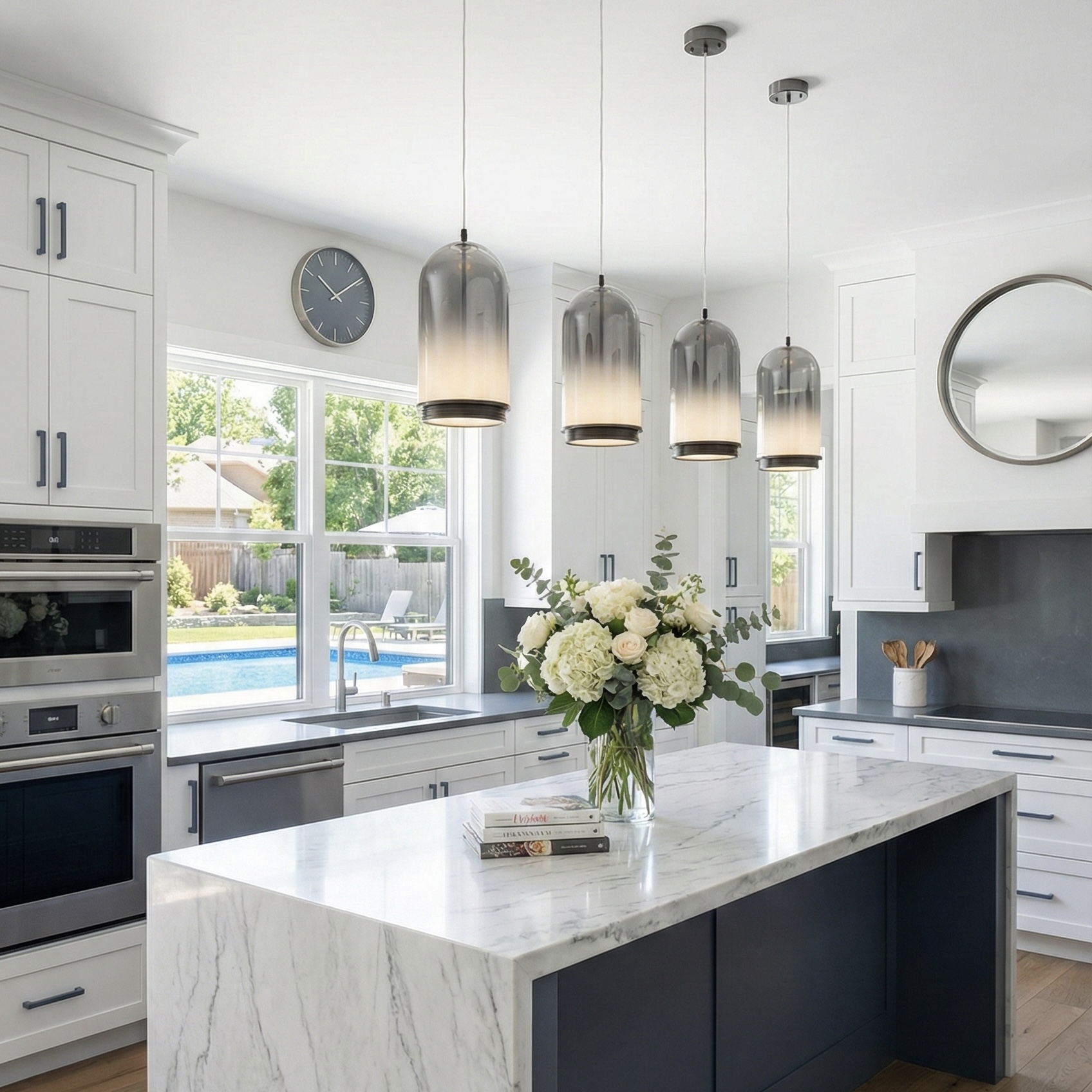
In kitchens, pendant lighting continues to be one of the most important design choices. A kitchen island often becomes the center of the home, so the fixtures above it need to do more than provide light. They help define the space. They create rhythm. They connect the kitchen to the dining and living areas. In 2026, homeowners should look for island lighting that feels balanced, practical, and proportionate to the size of the island.
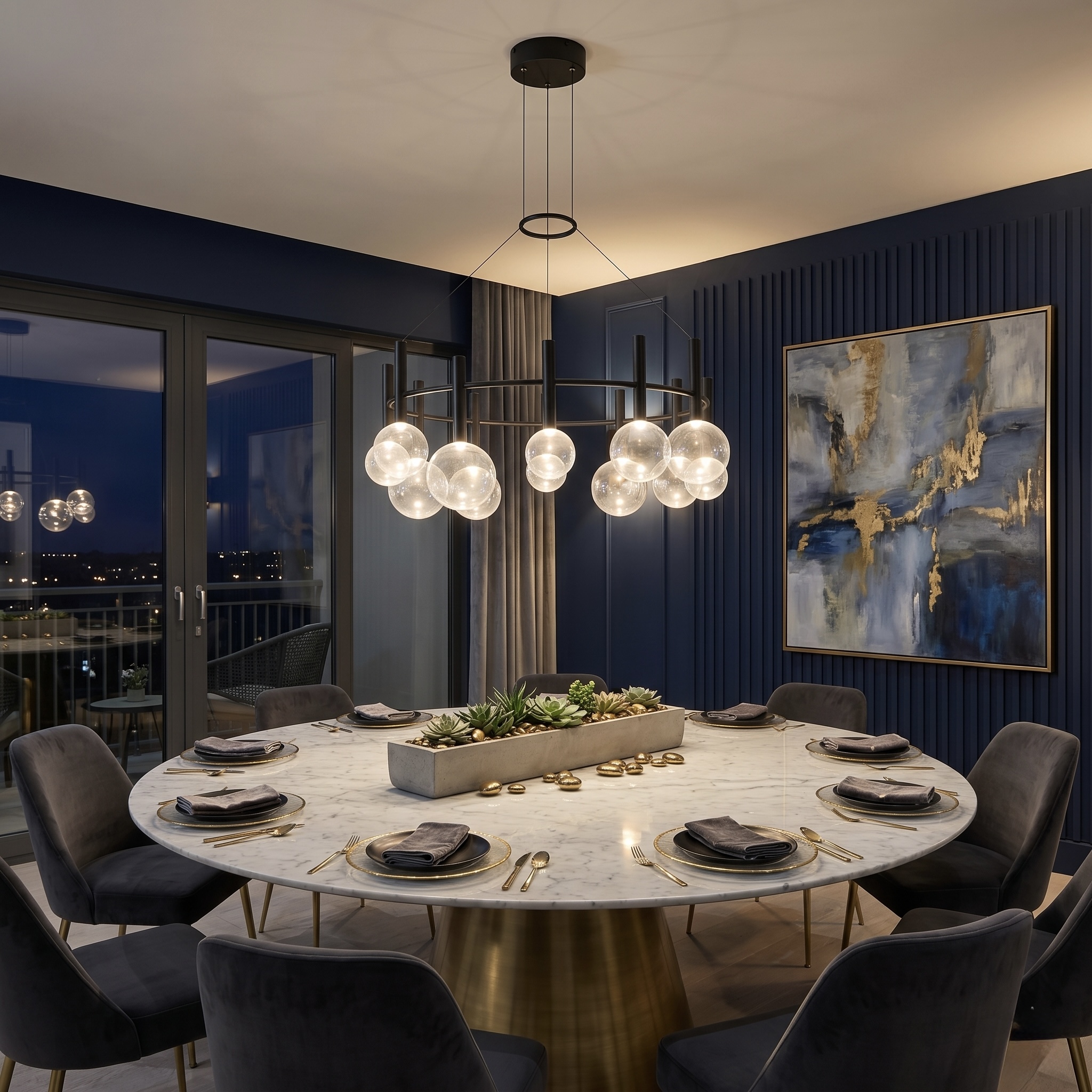
In dining rooms, the chandelier remains the natural centerpiece. The right chandelier can make a dining area feel more complete, more intimate, and more refined. The key is choosing a fixture that works with the table shape and room scale. A round table often works beautifully with a round or sculptural chandelier. A long rectangular table may need a linear fixture or a series of pendants to create balance across the full length of the room.
In bathrooms, lighting should be both beautiful and functional. Vanity lighting is especially important because it affects how the space is used every day. Poorly placed lighting can create shadows, while well designed bathroom lighting can feel clean, calm, and flattering. Fixtures with soft glass, balanced brightness, and thoughtful placement can make a bathroom feel more elevated without becoming overly decorative.
In entryways and foyers, lighting sets the tone for the entire home. A foyer chandelier or statement pendant can create a strong first impression, especially in homes with higher ceilings. The goal is not only brightness. The goal is presence. The fixture should feel intentional and connected to the architecture of the space.
Outdoor lighting is also becoming more important. Homeowners want exterior fixtures that improve visibility, safety, and curb appeal while making the entrance feel warm and welcoming. Wall lanterns, outdoor pendants, and exterior ceiling fixtures can help a home feel finished from the outside in.
How to Choose a Fixture That Lasts
A good light fixture should not feel dated after one or two seasons. Trends can be useful for inspiration, but homeowners should be careful with designs that feel too temporary. The safest long term choices usually combine strong proportions, quality materials, thoughtful finishes, and a design language that fits the home rather than fighting it.
That does not mean every fixture needs to be plain. A chandelier can be dramatic. A pendant can be sculptural. A bathroom fixture can feel distinctive. But the design should still feel connected to the room and the home as a whole.
Materials also matter. Glass, metal, stone, crystal, and natural textures each create a different type of light and atmosphere. Clear glass can feel open and bright. Frosted or white glass can soften the glow. Alabaster and stone inspired lenses can create warmth and depth. Brass, bronze, nickel, and black finishes can each shift the tone of a space.
Homeowners should also consider efficiency and maintenance. LED lighting has become a practical choice for many spaces because it can offer strong performance, lower energy use, and long lasting illumination. Adjustable color temperature can also be useful, especially when homeowners want flexibility between warmer and cooler light depending on the room and time of day.
The most successful lighting updates in 2026 will not be the ones that simply follow a trend. They will be the ones that make a home easier to live in and more enjoyable to experience.
Good lighting supports daily routines. It adds comfort. It brings attention to the details that matter. It makes rooms feel warmer, more balanced, and more complete.
For homeowners choosing new light fixtures in 2026, the best advice is simple: start with how the room should feel and function, then choose fixtures that support that purpose with beauty, quality, and lasting design.
%20(1).png)